Lyrics to song: an AI singer for the words you wrote
Paste a poem, wedding vows or finished verses into “My own lyrics”. Melos writes the music and sings your words as written — two versions in a couple of minutes.
Pick a sound for your lyrics
Tap a card and the description, style and voice fill in. Then paste your words in Settings → “My own lyrics”.
Made with Melos — press play
Flip through the covers and listen right in the card — each one shows the prompt behind the track.

Wedding vows I wrote, turned into a piano ballad
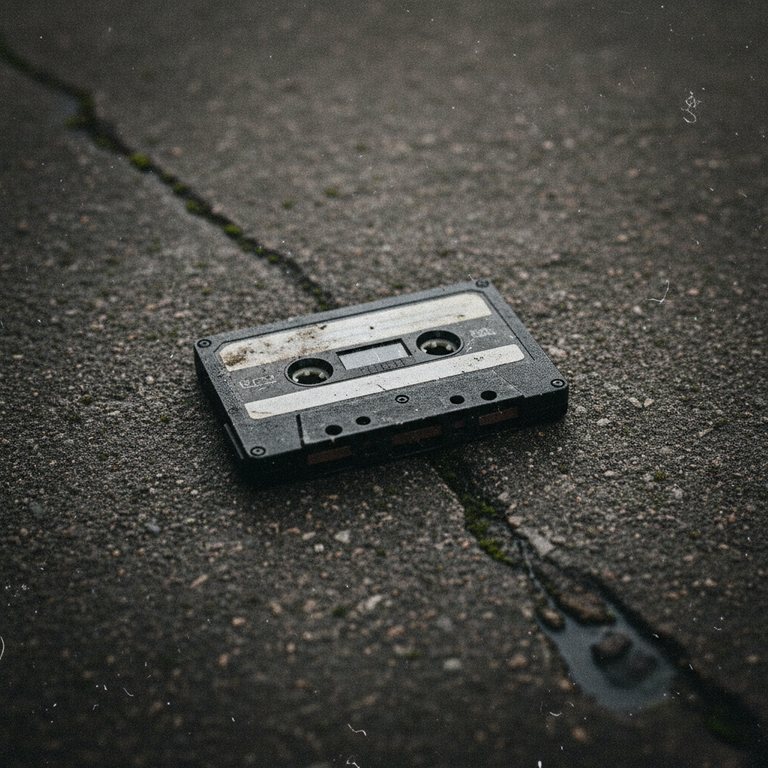
A 90s grunge song with a gritty female vocal

A story I wrote about my grandpa’s truck, sung as a country song

My own poem, sung as a soft indie folk song
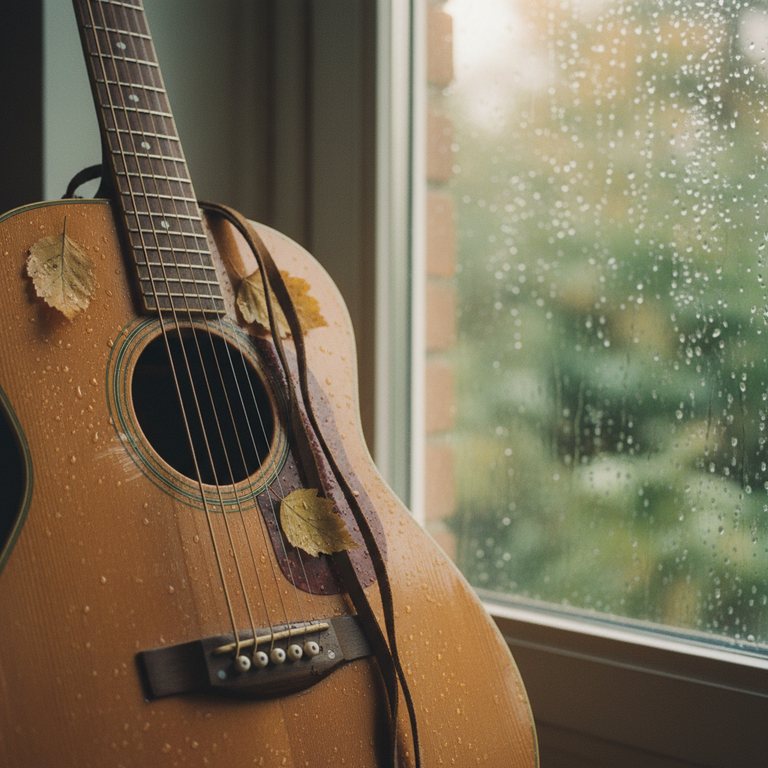
An acoustic love song with guitar
My own lyrics about not giving up, as an upbeat pop anthem

A love song for our fifth wedding anniversary
How to turn lyrics into a song in three steps
Put lyrics to music without instruments, music theory or a studio. The words are yours; the melody, arrangement and vocals come from Melos.
What Melos does with your lyrics
You bring the words. Melos writes the music around them, sings them and gives you ways to shape the result.
More from Melos
Who turns lyrics into songs
Your songs — download them, use them
Plenty of AI song generators let you make music but ration what you can take with you. Melos doesn’t: download every song you create, and use it in your projects on any paid plan.
Simple pricing, no hidden fees
Style reference, WAV, the 5-stem split and covers come with any subscription; your own voice and 12 stems start with the Pro subscription.
All plans and what’s in each packFrequently asked questions
Open Settings → “My own lyrics” and paste your words, with [Verse], [Chorus] and [Bridge] tags if you like. Describe the sound or pick styles, choose a female, male or duet voice and press “Create song”. In a couple of minutes you get two versions of the song with your lyrics, each with its own title and cover art.
Yes. Melos sings the text you paste as written and composes the melody and arrangement around it. If a word or a line doesn’t land the way you hoped, compare it with the second version or generate again. With any subscription you can also edit that section and regenerate just that part.
Your first song is free after sign-up: one generation with your lyrics gives you two versions, and both download as MP3. Songs from the free try are public and for personal use. From your first purchase your tracks are private, and paid plans include commercial use.
You can paste up to 5,000 characters. Tags like [Verse], [Chorus] and [Bridge] are optional, but they show where each part starts and which lines repeat. Songs usually run 2½–3 minutes, so a classic shape — a couple of verses, a chorus and a bridge — suits that length well.
No. Rhymes are optional, and poems or free verse can be sung too. Melos chooses the melody and phrasing but doesn’t rewrite your lines, so if one sounds rushed or stretched, shorten it or split it in two and try again. Reading the lyrics out loud first is a quick way to catch those spots.
You can’t write out the notes, but the styles, tempo and voice you choose shape the melody, and every generation gives you two different melodies to pick from. If you already hear a tune, hum it into your mic with any subscription, and the song follows it.
Yes. Paste the poem into “My own lyrics”, then describe the sound — a piano ballad, a folk song or even rap. If one stanza works as a refrain, mark it as [Chorus] and repeat it wherever you want it to come back.
Describe the song and use “Write the lyrics now”: the AI drafts lyrics from your description, and you can edit every line before the song is made. Or choose “AI writes the lyrics” to get the words and the music in a single generation.
Twelve: English, Spanish, French, German, Italian, Portuguese, Japanese, Korean, Turkish, Ukrainian, Kazakh and Russian. English and Russian are available on every plan, including the free song; the other ten come with the Pro and Business packs or any subscription. Set “Vocal language” to match your lyrics.
Your own voice, yes — on the Pro, Max and Studio subscriptions. Record 15–30 seconds of singing once, and Melos can sing your lyrics in your voice. Other artists’ voices aren’t cloned, but “Like an artist” describes an artist’s signature sound and adds it to your style.
The lyrics you wrote are yours. In the US, the Copyright Office’s position is that material generated entirely by AI isn’t protected by copyright on its own, while your own contribution, such as your lyrics, can be. Keep in mind that a right to use a track isn’t the same as registered copyright in it: on paid plans you can use the song commercially without paying royalties; songs from the free try are for personal use.
A full generation takes a couple of minutes, and a draft is playable about a minute and a half before the final file. Every song downloads as MP3 on every plan, and WAV comes with any subscription. Send a share link, and a friend can listen and follow word-by-word karaoke without signing up; in your own chat, karaoke comes with your first purchase.
Lyrics to song with AI — from words on a page to a finished track
Most lyrics never get heard, because putting them to music takes a melody, an arrangement and someone to sing them. An AI lyrics to song generator covers all three. In Melos you paste the words you wrote, choose a genre and a voice, and the AI composes a melody around your text, builds the arrangement and sings every line. People often search for an AI singer, but the result is more than a voice reading text: it’s a finished song with verses, a chorus and a mix, usually 2½–3 minutes long.
Lyrics to song: how to format your words so they sing well
You don’t need special formatting, but a little structure helps. Mark sections with [Verse], [Chorus] and [Bridge], and repeat the chorus text each time you want it to come back. Read the lines out loud: a line you stumble over will probably sound rushed when it’s sung, so shorten it or split it in two. Rhymes are optional, and free verse works too. Melos sings the text as written instead of rewriting it, which means your phrasing stays yours — and so does the job of smoothing a line that doesn’t flow.
Picking a genre and a voice for your words
The same lyrics can become a country ballad, a pop anthem or a rap track, so it’s worth trying more than one sound. Choose up to five styles from a catalog of 60+ or describe the sound in your own words, then press “Improve” to turn a short style note into a fuller one. Name an artist in “Like an artist” to get close to their sound — the voice itself isn’t cloned. Pick a female, male or duet vocal. Every generation gives you two different versions, so you can compare melodies before you decide.
Poem to song, wedding vows, toasts and school projects
Turning lyrics into a song isn’t only for songwriters. A poem can be set to music as a ballad or a folk song; mark the stanza you want repeated as the chorus. Wedding vows make a first-dance song, a toast becomes a singalong, and a class poem or a history lesson turns into a song students actually remember. When it’s ready, send a share link: the person who gets it opens the song with word-by-word karaoke, without signing up. In your own chat, karaoke comes with your first purchase.
No finished lyrics yet? Draft them first
If you only have an idea or a few lines, describe the song and use “Write the lyrics now”. The AI drafts full lyrics from your description, and you can edit every line before any music is generated — keep the chorus you like, swap in a verse of your own. Or choose “AI writes the lyrics” and get the words and the song in one step. Either way, the song is built on words you’ve read and approved. With any subscription you can also rewrite a single section of a finished song without redoing the rest.
Who owns a song made from your lyrics
Lyrics you wrote are your own work, and turning them into a song doesn’t change that. The music is a different matter: in the US, the Copyright Office’s position is that material generated entirely by AI isn’t protected by copyright on its own, while human contributions such as your lyrics can be. Having the right to use a track isn’t the same as registering copyright in it. On paid plans you can use your songs commercially — publish them, put them in videos, ads or podcasts — without paying royalties. Songs made with the free try are public and for personal use.
Hear your lyrics as a finished song
Paste your words, pick a sound and get two versions with vocals in a couple of minutes. Your first song is free after sign-up.